Specialist
Specialist Care
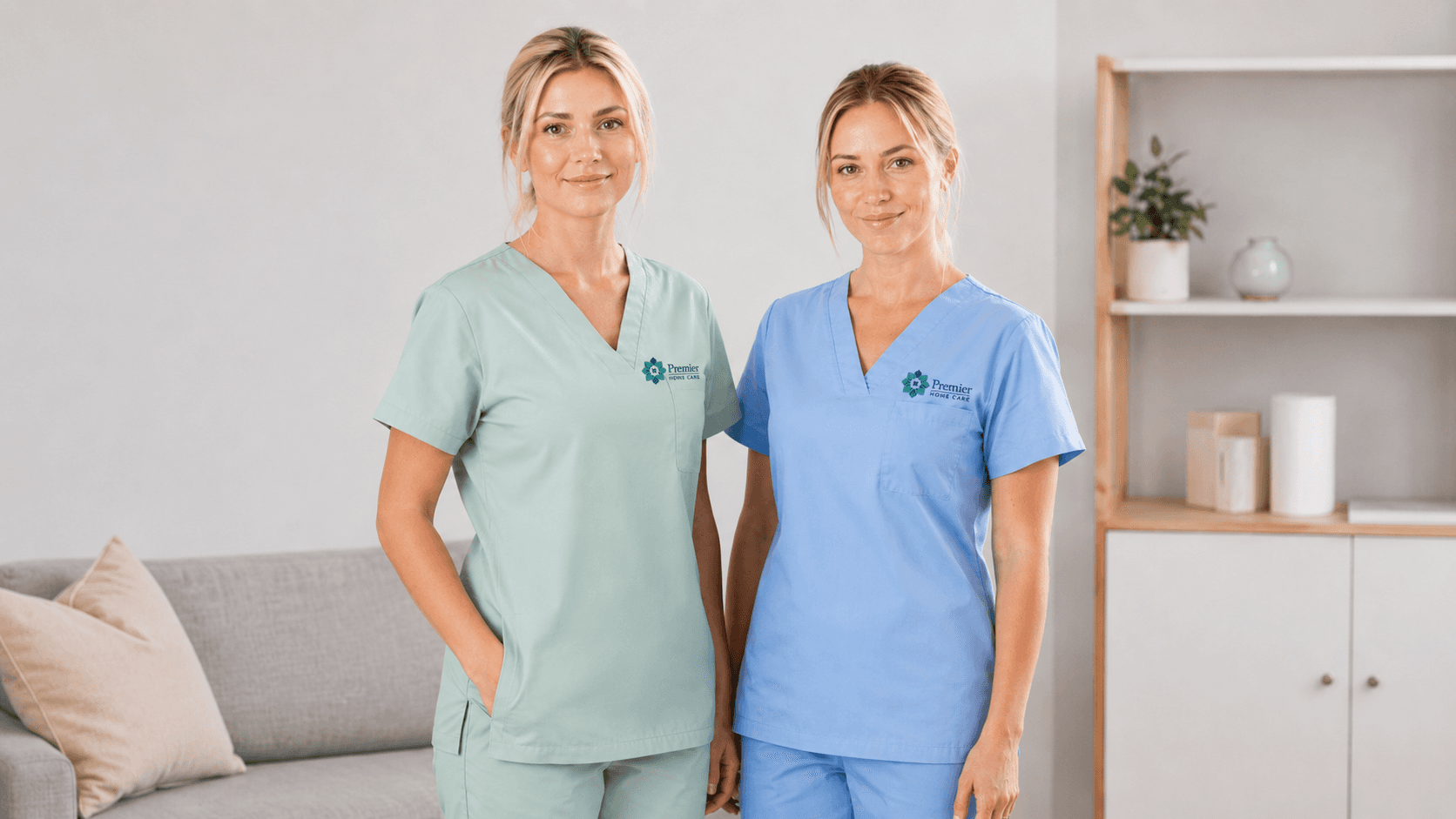
Expert Care for Complex Needs, Delivered With Compassion
Expert Care for Complex Needs, Delivered With Compassion
Some conditions require more than general care. They require a deeper level of understanding, a higher degree of skill, and a carer who has been specifically prepared to meet needs that go beyond the everyday. At Proud to Care, our specialist care service is designed for individuals whose health conditions demand a more tailored, experienced, and considered approach.
We believe that complexity should never be a barrier to receiving outstanding care at home. Whatever the diagnosis, whatever the circumstances, every person we support deserves to feel safe, respected, and genuinely well looked after.
What Is Specialist Care?
Specialist care refers to support provided to individuals living with complex, progressive, or high-dependency health conditions. It goes beyond the standard tasks of personal care and daily living to encompass a deeper understanding of specific conditions, their symptoms, their progression, and the particular challenges they present for the individual and their family.
Our specialist carers receive additional training in the conditions they support, and are carefully matched to individuals based on both their experience and their personal qualities. Specialist care can be provided as a standalone service or as part of a broader care package that includes other forms of support.
Conditions We Support
Our specialist care team has experience supporting individuals living with a wide range of complex conditions, including:
Dementia and Alzheimer's Disease Living with dementia affects every aspect of a person's life, and the lives of those around them. Our dementia-trained carers provide consistent, patient, and compassionate support that focuses on maintaining quality of life, preserving familiar routines, and managing the challenges of cognitive decline with sensitivity and skill. We understand that behaviour which may seem difficult is often a form of communication, and we respond accordingly.
Parkinson's Disease Parkinson's presents a unique combination of physical and cognitive challenges that evolve over time. Our carers are trained to support individuals at every stage of the condition, from early-stage assistance with daily tasks through to complex care needs including mobility support, communication difficulties, and medication management.
Multiple Sclerosis MS affects people differently, and our approach reflects that. We work with each individual to understand how their condition presents and what support makes the biggest difference to their daily life, adapting the care we provide as the condition changes.
Stroke Recovery Recovering from a stroke can be a long and demanding process. Our carers provide structured, encouraging support that complements the work of other healthcare professionals, helping individuals rebuild confidence, maintain progress, and manage the physical and cognitive effects of stroke at home.
Acquired Brain Injuries Supporting someone with an acquired brain injury requires patience, consistency, and a thorough understanding of how the injury affects behaviour, communication, and daily functioning. Our carers are trained to provide structured, respectful support that promotes independence wherever possible.
Palliative and End of Life Care When curative treatment is no longer the focus, the priority becomes comfort, dignity, and quality of life. Our palliative care team provides sensitive, attentive support for individuals in the final stages of a serious illness, working closely with families, GPs, and specialist nurses to ensure that every person is as comfortable and supported as possible. We also provide emotional support for families during what is often an incredibly difficult time.
Progressive Neurological Conditions Including conditions such as motor neurone disease, Huntington's disease, and others that affect the nervous system over time. We provide care that evolves with the individual's needs, ensuring continuity and consistency throughout.
The Importance of the Right Match
With specialist care more than any other, the relationship between carer and client is everything. A carer who truly understands a person's condition, who knows their triggers, their preferences, their routines, and their personality, provides a fundamentally different quality of care to one who is simply following instructions on a sheet.
That is why we take our matching process seriously. Before specialist care begins, we invest time in understanding the individual fully, speaking with family members, reading existing care documentation, and consulting with other healthcare professionals involved in the person's care. We then identify the carer or carers within our team who we believe are best placed to provide the level of support required.
We also ensure that where possible, individuals see the same carers consistently. For those living with dementia in particular, a familiar face is not just a comfort. It is a clinical necessity.
Working Alongside Other Professionals
Specialist care rarely exists in isolation. Most of the individuals we support are also receiving input from GPs, consultants, physiotherapists, occupational therapists, district nurses, or other healthcare professionals. We see our role as part of a wider team, not separate from it.
Our carers communicate clearly and regularly with other professionals involved in a person's care, flagging any changes in condition, reporting concerns promptly, and ensuring that the care plan reflects the most current clinical guidance. Families are kept informed at every stage, and we welcome their involvement as active partners in the care we provide.
Who Is Specialist Care For?
Specialist care is appropriate for anyone whose health condition requires a level of knowledge, experience, and skill that goes beyond standard home care. It is particularly relevant for:
Individuals living with a diagnosed progressive or complex condition who are receiving care at home. People who have recently been discharged from hospital following a serious health event and require ongoing specialist support during recovery. Those whose needs have evolved to a point where standard domiciliary care is no longer sufficient. Families who feel that their loved one requires a carer with specific knowledge and experience of their condition.
If you are unsure whether specialist care is right for your situation, our team is happy to discuss your circumstances and help you understand what level of support would be most appropriate.
Our Commitment to Quality
Delivering specialist care well is not something that happens by accident. It requires ongoing investment in training, rigorous recruitment standards, and a genuine culture of learning and improvement within our team.
We regularly review the training and development of all carers involved in specialist care provision, ensuring that their knowledge remains current and that they are equipped to handle the evolving needs of the individuals they support. We also conduct regular reviews of every specialist care package, involving the individual, their family, and other healthcare professionals as appropriate.
Our goal is not simply to manage a person's condition. It is to help them live as well as possible within it.
Getting Started
If you are looking for specialist care for yourself or a loved one, we would love to hear from you. Our team will take the time to understand your situation fully before making any recommendations, and we will be honest with you about what we can and cannot provide.
Arranging specialist care can feel daunting, particularly when a diagnosis is recent or when needs are changing rapidly. We are here to guide you through the process with patience, clarity, and genuine warmth.